In Abraham’s Shadow: Poverty, Isolation, and the Women Left Behind
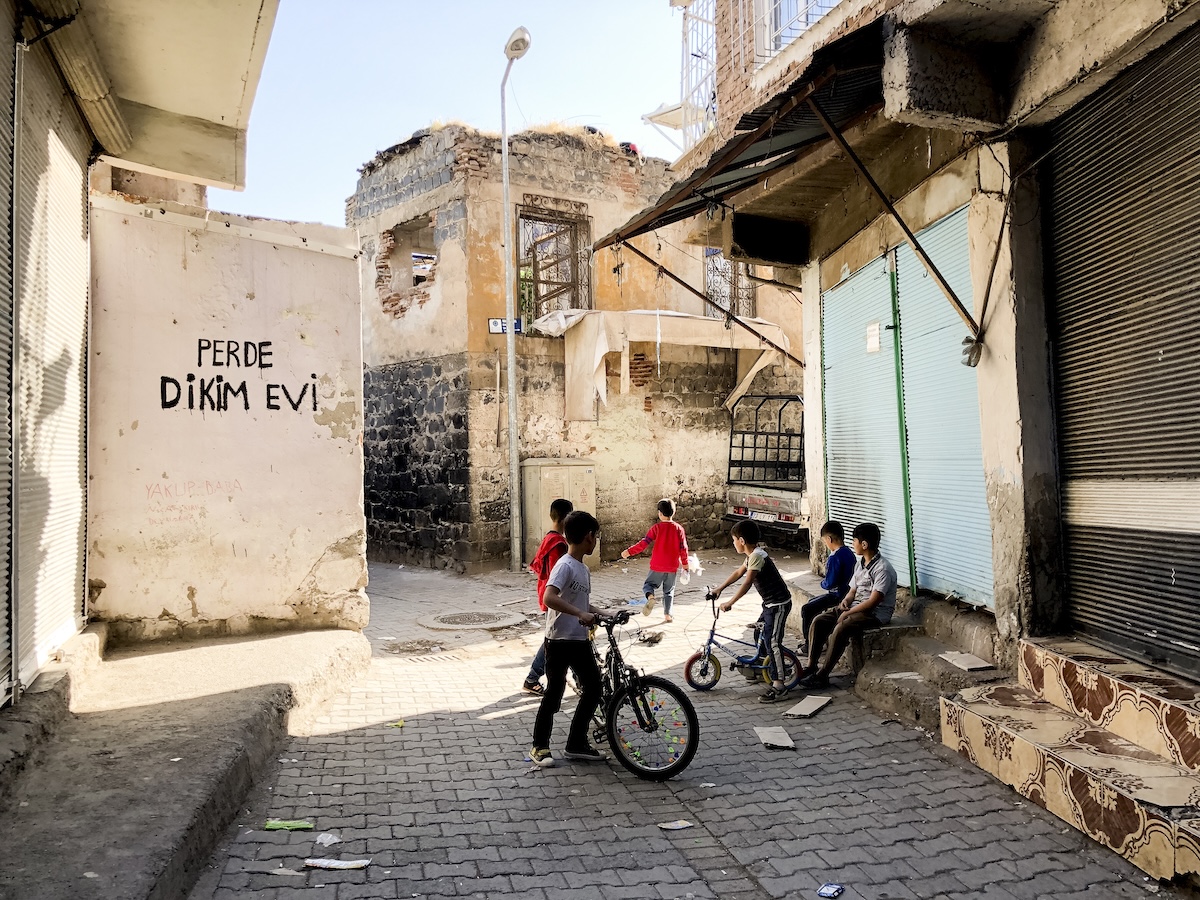
Adjacent to the traditional birthplace of Abraham sits a neighborhood populated by Kurdish and Arab Syrian refugees, displaced rural families, and a mix of religious backgrounds. It is sometimes a scary place, not because of war but because of insecurity, exploitation and organized crime. The air is thick with the weight of unplanned urbanization and systemic neglect.
What began as a community of poor, established families has transformed into a complex mosaic of immigrant slums and refugee ghettos. The Kurds, Arabs, and Turks who live here coexist in a landscape defined by extreme poverty and the scars of the Syrian war.
While the men struggle with high unemployment and unstable labor, it is the women who bear the heaviest, often invisible, burdens of this community.
The first step to helping them was a sociological survey completed by our highly-qualified volunteer staff. It was the first of its kind in this neighborhood and involved 400 local women. Our findings pulled back the curtain on a landscape of multi-layered inequalities, revealing a stark picture of life restricted by tradition and economic dependence.
For these women, marriage often marks the end of opportunity with one in four married before the age of 18. This early exit from education traps generations in a cycle of illiteracy and domestic confinement.
The economic divide is staggering: over 70% cannot participate in the workforce, and 80% have no regular income in their own name or access to a bank account. Even legal protections fail them—despite the Turkish Civil Code granting inheritance rights, 58.5% of women are denied their share due to traditional norms.
Behind closed doors, the situation is even more dire. Nearly 40% of the women surveyed reported experiencing violence, usually at the hands of a spouse. In a neighborhood where social support networks are thin and access to psychological services is limited, many of these women suffer in silence, isolated by their circumstances.
Our community leaders and professional partners are now moving to transform these findings into a lifeline. The plan is to establish holistic, rights-based services that prioritize economic empowerment and legal awareness. By creating safe social spaces and strengthening local mechanisms to combat gender-based violence, the initiative seeks to replace systemic barriers with a foundation of support. The goal is simple yet profound: to ensure that the women of this troubled neigbhorhood are no longer defined by their hardships, but by their rights and their potential.
The work is rapidly developing: over the past several months the team provided specialized training to groups of 30 to 50 women on subjects including legal rights, child development and more. To date, the number of women particpating in these programs has reached over a thousand.
bi-monthly newsletter
post or email
for email and postal subscriptions
lutheran.mideast@gmail.com